2009-03-04

日本では当たり前(06) - 居酒屋 part 2

Difference between Japanese and Western Cultures

5. Izakaya (居酒屋) vs Public Houses (part 2)


Ordering drinks and settling bills

In public houses, it is common to buy ‘rounds’; this involves one person in the group purchasing everyone’s drink, then when everyone finishes that drink, another person buys a ‘round’. This is due to the ordering system described last week. When the premise is crowded, it can take a significant amount of time queuing and ordering. If each individual leaves the table to get a drink, there may not be many left to converse and have a social gathering.

At izakaya, the bill is settled at the end. Most of the time, it is split equally amongst members. There are exceptions: For example, if a group of university students go for a drink with professors or a group of businessmen gathers for an after-work ‘R & R’, the professor and company superior would usually pay all or a significant portion of the bill. Settling bills at the end may be disadvantageous for moderate drinkers as they may have to pay for more than they have ordered. Same could be applied to the ‘round’ system where you might feel pressurised to ‘pitch in’.

Social events in public houses

Public houses offer a wide range of social events which izakaya do not offer. Range of entertainment offered is extensive, and consumers can choose which pub to go to depending on what venue is being held.

A typical example is a pub quiz. This involves many teams made up of usually 2-5 members answering questions from a wide range of topics and subjects. Each member will have to pay an entrance fee which the majority will be given to the winning team.


Some pubs host concerts and gigs, usually for young and upcoming bands. What type of music or which group will be allowed to play depends on the owner. Many British bands have traditionally played in various pubs to become popular and get scouted by record labels.


2009-02-23

日本では当たり前(05) - 居酒屋

Difference between Japanese and Western Cultures

4. Izakaya (居酒屋) vs Public Houses (part 1)


As I went to an ‘izakaya’ over the weekend with my fellow volleyball team comrades, I have selfishly decided to compare the differences between these two establishments this week. In reality, since every country has a unique custom when it comes to drinking, it was best to only compare Izakaya and Pubs instead of Japan versus rest of the world.


Logistical Aspects:

At izakaya, all customers are seated, and orders are taken from waiters. This is great for me because it saves queuing at the counter and prevents spillage accidents. In addition, there are wireless call buttons to order instead of shouting your lungs out. In pubs, if you can’t find seats, you are expected to stand and fight your way to the counter to order during ‘rush’ hours. Being a lanky lad, it is sometimes hard to stay diplomatic amongst other drunkards.


Both establishments are open during evening hours. However, pubs usually open from lunch hours until 11pm whereas izakaya open around 5pm and close at midnight. In the UK, late night licensing is now available (Licensing Act 2003) but not many pubs are open after 11pm.


Since July 2007, smoking has been banned in public places. As a result, pubs have become much cleaner and accessible to families and people with medical conditions such as asthmatics. However, Japan is still very relaxed about smoking (Japan was one of the last country to ban smoking inside airplanes). Although ventilation system is generally good, passive smoking effects cannot be ignored.

To be continued…


2009-02-17

日本では当たり前(04) - コンビニ

Difference between Japanese and Western Cultures

4. Convenience Stores


Typically known as corner shops in the UK, almost every city and town in Japan has a convenience store, known as ‘KONBINI’, operating 24/7. According to Japan Franchise Association, there were 235,686 convenience stores in 2007 (http://jfa.jfa-fc.or.jp/pdf/2007.pdf). So what’s the secret to their success and what are the differences from outside Japan?

Firstly, it’s the sheer number of products available. A typical store stocks between 3500-5000 products. In addition, usually, there is a 24-hour ATM, touchpad screen to order concert tickets, pay for online goods, and bills, special cash card (which can be integrated within your mobile phone) to pay for goods without needing to flop out your wallet, and so on.


Since Japan is relatively safe compared to other countries, robbery is infrequent and alcoholics do not gather around the store to enjoy continuous ‘binging’. Thus, you can enter the store late at night (i.e. you don’t have to purchase items over a bulletproof window and a lock system for cash tending). As a crime deterrent, CCTV surveillance is in place. Unlike the US, there is no special subsidy for local police officers or shotgun behind counters (If anyone has stats on this, I would love to hear from you). Also, the store is brightly lit up so that any crime can be spotted from a mile away which brings me to the next point – what is the coolest thing about convenience stores from an animal behaviourist’s point of view.

Lights used in convenience stores do not attract insects at night. This is because these ‘special’ lights do not emit ultra-violet (UV) wavelengths. Many insects are sensitive to UV wavelengths as many flower petals are UV reflecting and also play a part in choosing partners. For more information, go to this website (http://www.bio.bris.ac.uk/research/vision/4d.htm).


Apart from noise pollution in the vicinity, there are mainly two concerns regarding this type of store. One is their intrusive data collection scheme: When you are at the cashier register, the cashier must enter gender and age group of the buyer before starting to read the bar code. You may notice new staff in training staring at you for no apparent reason, trying to work out your age group (not gender hopefully!).

The other problem is the loss of traditional small shops in residential communities. Less than 20 years ago, each community had a small shop to buy tobacco, buy ‘sweeties’ after school, and send parcels which is often run by an elderly. It provided a place for local news and gossip for adults, and an important developmental tool to learn how to manage your savings, or allowance, for children. For me, it was and still is a part of what makes a tight-knit community.


2009-02-09

日本では当たり前(03) - 自動販売機

Difference between Japanese and Western Cultures

3. Technology of Vending machines

Vending machine is everywhere in Japan. In fact, according to Japan Vending Machine Manufacturers Association, there are more than 5.7 million machines in Japan of which about half of them sell beverages (JVMMA, 2007). You could buy almost anything from a vending machine including vegetables, eggs, and even crapes.


However, Japan is not the only country to sell ‘unique’ items: In Atlanta Airport, USA, iPods and related products can be purchased through a vending machine. At one point, it was selling around $55,000 a month!


Recently, Japanese vending machines have made some technological advances. On railway platforms, electronic railway passes such as Suica (similar to Oyster cards in London) can be used instead of cash. In addition, there are ID cards called TASPO which must be used to buy any cigarettes through vending machines (compulsory since July, 2008). TASPO can be charged with credits to make future purchases quicker. In addition, there are vending machines with facial recognition which determines the age of the buyer through analysis of bone structure and facial parts. Unfortunately, there has been several instances where the machine could not distinguish between a real face and a photo. The manufacturer is attempting to fix this fatal flaw as soon as possible


Other interesting add-on’s:

- LAN cables or mobile phone to give real-time feedback on the stock, breakdowns, and attempted break-in’s


- CCTV to prevent crime nearby (the machine has been vandalised continuously since the installation)


- Some vending machine provide free drinks in times of emergency and when drinking water become scarce

2009-02-06

イベント案内(No.6) Open School Day 3/22(Sun)


開校15周年を迎えた地球村のイベント第一弾としまして!


           “Open School ”


を実施致します!


内容は英会話初心者のお子様でも安心して参加出来るよう

英語での挨拶や、アクションなどをゲームに盛り込んだ内容です。


料金:無料

場所:国際交流センター地球村 豊岡校&日高校

日時:3月22日(Sun) 


豊岡校

10:00~
Kids' Lesson 1
(2歳半~幼稚園児以下)


10:40~
Kids' Lesson 2
(新小学1年生~新小学3年生)


11:20~
Kids' Lesson 3
(新小学4年生~新小学6年生)


――――――――――――――――

日高校


13:30~
Kids' Lesson 1
(2歳半~幼稚園児以下)

14:10~
Kids' Lesson 2
(新小学1年生~新小学3年生)

14:50~
Kids' Lesson 3
(新小学4年生~新小学6年生)


尚、各クラスは定員8名までとさせて頂いておりますので、

予めお申込み下さい。


お申込み、お問い合わせは、メール、お電話にてお気軽にどうぞ♪


Mail : info@chikyumura.jp
Tel : 0796-24-7000


担当:谷口まで

2009-02-05

日本では当たり前(02) - 牛乳パック

Difference between Japanese and Western Cultures

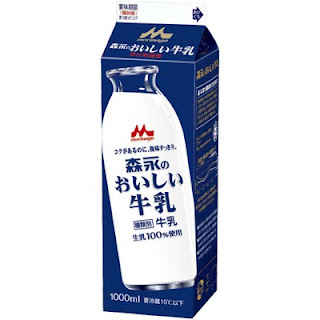
2. Milk Cartons:

In the US, it is common to see milk cartons sold in gallons and quarts (i.e.US Imperial Units). They are sold in plastic containers thus the terminology of ‘carton’ not being truly accurate. Habitual consumption of cereals and cornflakes as well as clever marketing campaign (got milk?) promotes a higher demand relative to other countries.

In the UK, its imperial system is similar to that of the US, but the volume differs. Milk cartons are also usually sold in a plastic container with pints being the usual measurement.

Japan is one of the few who still abides to selling milk in a ‘proper’ carton. With recycling schemes for cartons being a common practice, even houses can be built out of this recycled material.

2009-02-04

日本では当たり前(01) - エアコン

Difference between Japanese and Western Cultures
1. Heating:

In Japan, there are mainly two ways to heat a house; one is by using kerosene heater and the other by using air conditioner. As far as I am aware, kerosene heaters are very unique. After purchasing the heater, you must buy the fuel from a gas station (or petrol station). Most heaters require electricity for spark plugs and timers. The biggest danger using this type of heater is carbon monoxide poisoning. Recent models now provide an hourly warning system to warn the user about ventilation.

Air-conditioners are also unique in a sense that one is there for each room unlike many American homes which has a ventilation system to allow every part of the room to be heated (or cooled) according to their preferred temperature. As eco-friendliness is now a ‘hot’ topic, it may be more eco-friendly to have one air conditioner per room so that other rooms not being used is left alone. However, purchasing air conditioner for each room in the house can be costly and CO2 produced to make each machine can add up to a significant amount.
In many European countries, it can use a completely different heating mechanism using central-heating with water. Using pipes, water heated by a boiler is distributed to multiple rooms, and each room can have several radiators (wall-mounted panels through which the heated water passes in order to release heat into rooms). In the UK where I spent almost half of my life, this type of heating was the most common.


2009-02-03

News Feed: 子供が最も傷つくものは何か…


Selfish adults 'damage childhood' (BBC News)


独自の成功を積極的に求める親が、子供に一番大きなダメージを与えると結論がChildren’s Society (http://www.childrenssociety.org.uk/) によって発表されました。

レポートによると、今の子供は昔と比べ「より心配性で問題を抱えている」そうです。
解決案として、児童全員に対応されたコミュニティーセンター、全国学力テストの廃止、12歳未満に向けたコマーシャルの廃止、子供の遊び場の確保などが提案されています。

しかし、シングルマザーに批判的なコメントがあるため、多数の反発が予測されます。

詳しくはここまで↓
http://news.bbc.co.uk/2/hi/uk_news/education/7861762.stm

2009-02-02

News Feed: 雪でロンドンが・・・

Snow halts London bus services (Reuters)


現在イギリスでは10年振りの大寒さで、
ロンドンでも雪が降っています。
雪道に慣れてない市民は、
バスの運転手から空港管理まで影響されています。

詳しくはこちらまで↓

2009-01-06

ラジオ (04) - 手のジェスチャー

明けましておめでとうございます。
今年もよろしくお願いします!

今回は Hand Gesture (手のしぐさ)について語ります。
普段日本でつかっているジェスチャーが、イギリスではとても失礼なものとはなに!?

どうぞお聞き下さい。

2008-12-04

Go先生の妹(07)


久しぶりに南アフリカで働いている妹からメールが来ましたので、紹介します。
先月彼女は Bela Bela という地域にある Mabalingwe キャンプ場に行きました。
そこで出くわしたのは親子の像でした。近づこうと車を寄せるといきなりお父さん像が車に向かって突進してきました。車内はパニック状態だったにもかかわらず、写真を撮った妹の図太さにはあきれます。
また、先週マラウィに出張で行った際にDomwe 島に寄り、写真を撮ってきました。
現在彼女は地域で支えあう孤児院のプラグラムに力を注いでいます。
私の翻訳は大雑把ですので、詳しく読みたい方は原文をお読みください。

At the beginning of this month, I went camping at Mabalingwe (http://www.mabalingwe.co.za/) located in Bela Bela, the northern region of South Africa. One of the guys I went with works for a security company where he conducts training with paintball guns and also does other work such as installment of pepper spray on the garage door (your house can be really protected in Johannesburg). On this trip, we loaded a full boot (aka trunk) of the car with about 8 paintballs guns and 4,000 paintballs. "Everyone face the river! Unlock security. Start!!!" As the battle began, paintballs were coming from all directions and I hid behind tires and barrels for safety. As we started the third round, I suddenly thumped to the ground. I could not exactly see my steps with the huge protective mask on my face and just felt the blood starting to soak into my pants. What had happen was that I had tripped over a big log and slit my knee deep enough to be rushed to a clinic (about 30 minutes from the camp site). I now have a battle scar with seven stitches on my left knee.

Oh… the excitement was not over then. Well, that same day, we went for a game drive that just ended up to being an hour "drive" seeing only impalas. The next morning, we tried again, but we were disappointed to only see impalas. When we were about to give up, a man driving by pointed at a direction and told us that he had seen elephants. We rushed over there and from a far distance, we saw a baby elephant and the mother crossing the street. As we decided to move the car just a bit (less than 10 meters) forward to get a closer view, the father elephant started charging at our car from the right hand side. We were all screaming and yelling at our friend to reverse the car as fast as he could. We were literally face to face with this gigantic elephant storming right at us!!! My heart was racing!!! The moral of the story… don't mess with elephants!

The month of November came to a close with a week spent in Malawi, the warmth of Africa, for both pleasure and work. I flew into Blantyre on the weekend to travel with friends to Cape Maclear located in the southern part of Lake Malawi. As we drove up north from the airport, we stopped by a town called Mangochi where I my heart felt right at home where the woman stood by their stands in the local market selling fruits and vegetables and other shop keepers selling used shoes and household parts. As I walked down this busy street to stretch my legs, I spotted boiled maize… one of my favourite foods to eat when I was in Uganda. That evening after reaching to our destination, we laid on the beach to gaze up at the millions of stars in the sky with few shooting starts. What a magnificent sight!!!
The following morning, we went kayaking for one hour to spend the next day on a private island called Domwe Island. The area was full of colourful trees: red, yellow, orange and green with birds calling each other from every direction. I went snorkelling in the deep clear water where tiny fishes all around. At night, fishermen would light up the lake with their lanterns as they cast their nets to fish for carpenta fish, which makes a great mealJ. At night, we made a fire on the beach to braii and by our kitchen, we saw sieved cats and hoax come by for a visit.
Unfortunately, the weekend getaway came to a close as we rode back to Blantyre in a public taxi filled with three bags of smelling fish for three hours. I smelled like fish for several days after this experience!!! During the week, I conducted similar training that I held in Mozambique last month for the Community Orphan Trust Program. From the lessons learned in Zambia (where the program has been running since 2004), I am introducing new changes which I hope will be successful in the field for better development and sustainability. I am very excited to be working with my enthusiastic team here in Malawi.

2008-12-03

ラジオ (03) - 「ありえれへん」、「しまった~!」の言い方

英語圏でも、国や地域によって使われる表現や単語は多少異なります。
今回は特にイギリスの表現に注目しました。
どうぞお聞きください。

2008-12-02

Sunny Stage - よくがんばりました!

先週の日曜日に地球村の発表会が行われました。
みんな本当によく英語のせりふを覚えたね!
たいへんよくできました!!

<--- クリックしてね!

2008-11-25

ラジオ (02) - 英語の流行語 'BLING'

今週もラジオの収録をインターネットにアップロードしました。
今回は英語の流行語、'BLING' について語ります。
どうぞお聞きください。

2008-11-18

ラジオ (01) - 英語圏で通じるスペイン語!?

お久しぶりです。
長い間休んでおりましたが、今週からまた載せていきたいと思います。

今日は私が豊岡市のコミュニティーラジオステーション、FM Jungleで担当しているコーナー、
「GoのEnglishしゃべらーや!」を紹介します。

短い番組ですが、役に立つと思いますのでどうぞお気軽にお聞きください。

今回は英語圏で通じるスペイン語、「やばい」と英語でどういうか、発音を伸ばすと意味 が変わってしまう英語などを語りました。

2008-10-02

イベントのお知らせ(No.5);Halloween Party


Halloween Party

Date 10月26日(日)
Time 3:00pm~5:00pm 
Place 地球村豊岡校 
Fee 800yen (傷害保険込み)

日本には無い、英語圏の文化を体験できる機会です。お化け屋敷や、Trick or Treat のゲーム、おばけかぼちゃ作りなど楽しいイベントがいっぱいです。先生たちと一緒に楽しいハロウィンを過ごしましょう!
ハロウィンコスチュームに限らず、自分の好きなコスチュームでOK!是非、仮装して参加してください。

お問い合わせはお電話でどうぞ
豊岡校 0796-24-7000
日高校 0796-42-3273

2008-09-26

News Feed: Men with Sexist Views ‘earn more’ (BBC News)


Sexist – 男女差別者

今週、男女差別的な意見を持っている男性は、’modern-thinking’ (現代的な考え)を持つ男性と比べて、毎年$8500(約90万円)の給料の差があることが発表されました。

フロリダ大学で行われたこの実験は、当時14~22歳の男性と女性(合計12,686人)に1979年から2005年まで3回にかけてアンケート調査が実行されました。アンケートの内容には、「女性は主婦であるべきか?」や「子供の教育のために女性は家に残るべきか?」など男女差別のレベルを測る質問が含まれていました。

反対に権利を主張する女性はほかの女性と比べて、年俸に$1500(約16万円)の差がありました。

私としては、今から sexist になっても、90万円も給料が上がるわけではないので、今のままでいようと思います。

なぜ sexist な男は給料が高いか詳しく知りたい方は
こちらまで…

2008-09-24

英単語パズル (08)


英語の単語力を試すパズル第7週目です。
(詳しい遊び方は
こちらへ)

前回の単語は WORM FAKER でした。
この意味不明な単語を並び替えると次のような新しい単語ができます。

正解は、FRAMEWORK (わく組, 構成)でした。

他にも:

WORKFARE ([失業対策としての]再就業福祉制度)
FOREARM (前腕、あらかじめ武装[用意]する)
FARMER (農業経営者、農夫)

6文字以上の単語ができたら、上級クラスです。

今週のパズルはもっと意味不明な表現です。

PLAY TEETH

歯で遊ぶ!?!?
何気に聞いたことがある単語が作れます。

2008-09-19

アメリカ旅行(07) – グルメレポート 最終回


最後に hushpuppy という品を紹介したいと思います。
魚の揚げ物と同時に、サイドメニューとしてよくフライドポテトの代わりのような感じで出されます。
味はスパイスと塩味が利いていて、固めの揚げパンみたいな食感でした。
材料にはトウモロコシ粉(Southern food にトウモロコシは定番です)、牛乳、卵、ベーキングソーダなどが使われています。

Hushpuppy は猟師や漁師が、余った揚げ物の衣を揚げて犬を黙らせる為にできた品だそうです。

---------------------------------------------------------
hush: 沈黙(する,させる), 静寂(になる,にさせる)
puppy: 子犬

少し話がそれますが、‘Hush!’ (静かに!) とよく先生に怒鳴られました。
ほかにも、’Be quiet!’, ‘Silence!’, ‘Settle down!’ など、いろいろ注意されました(笑)。
---------------------------------------------------------

フライドポテトのようにケチャップを付けて食べるのが多いですが、
バターを付けて食べるひとも多数います。
私が hushpuppies を$2で買ったとき、使い捨てのケチャップが5袋に、バターが5個も入っていました。
揚げ物にバターを付けて食べる…
アメリカならではの食文化だな~
(This is what you call American ‘health-conscious’ food culture)
と兄弟と笑いながら食べました。

2008-09-18

アメリカ旅行(06) - グルメレポート パート4


ヨーロッパのレストランでパンのバスケットがでるように、Soul Food を食べる際には必ず cornbread(写真:左)と biscuits(右)がテーブルに置かれます。
Cornbread は名前のとおり、トウモロコシからイースト菌を使ないで作られたパンです。

Biscuit はカタカナでビスケットといいますが、アメリカ英語ではクッキーのことではありません。

アメリカでは、ベーキングパウダーから作られたパンのことを示し、バターミルクを良く使っています。(ちなみにイギリスやオーストラリアでは、biscuit はクッキーのことを言います)

前菜が来る前に、出来立ての cornbread & biscuits がバスケットに入って、

その上に布が被された状態で、テーブルの上に置かれました。

その布を取り外すと香ばしいトウモロコシとバターの匂いが座っている人間を襲い、

前菜が来るまで待とうと思っても無理でした。

一口目で結構バターが入っているのが分かりましたが、めっちゃ美味かったです。

日本のKFCでもビスケットが注文できます。


ケンタッキー州も南部地方なので、ビスケットは欠かせません。

しかし、日本のKFCだけ、メープルシロップをかけて食べるみたいですね。

アメリカのKFCのサイトを見れば違いが一目瞭然で分かります。(http://www.kfc.com/menu/sides_biscuits.asp )

フライドチキンを食べながら甘いビスケットを食べるには、私には無理です。

誰がメープルシロップをかけようと決めたかはネットで調べましたが、答えは見つかりませんでした。


明日はグルメレポートの最終回です。

うるさい犬を黙らせるために作られていた一品を紹介したいと思います。


お楽しみに…

はじめに・・・

  • 地球村のイベント案内、レッスンでは習わない文法や表現、国際ニュース、英会話講師が感じた日本と外国との違いなどを紹介するブログです。お気軽にご覧下さい。
  • This Blog is to inform you regarding upcoming events, interesting international news, and what teachers at Earth Village found interesting about Japan. Feel free to browse. Bon Appétit!